AYEV / ABOUT AYVALIK

Street by street,
story by story.

The shadow of a chimney, the doorstep of a stone house, a street leading to the sea. A few starting points for discovering Ayvalık’s history in everyday life.

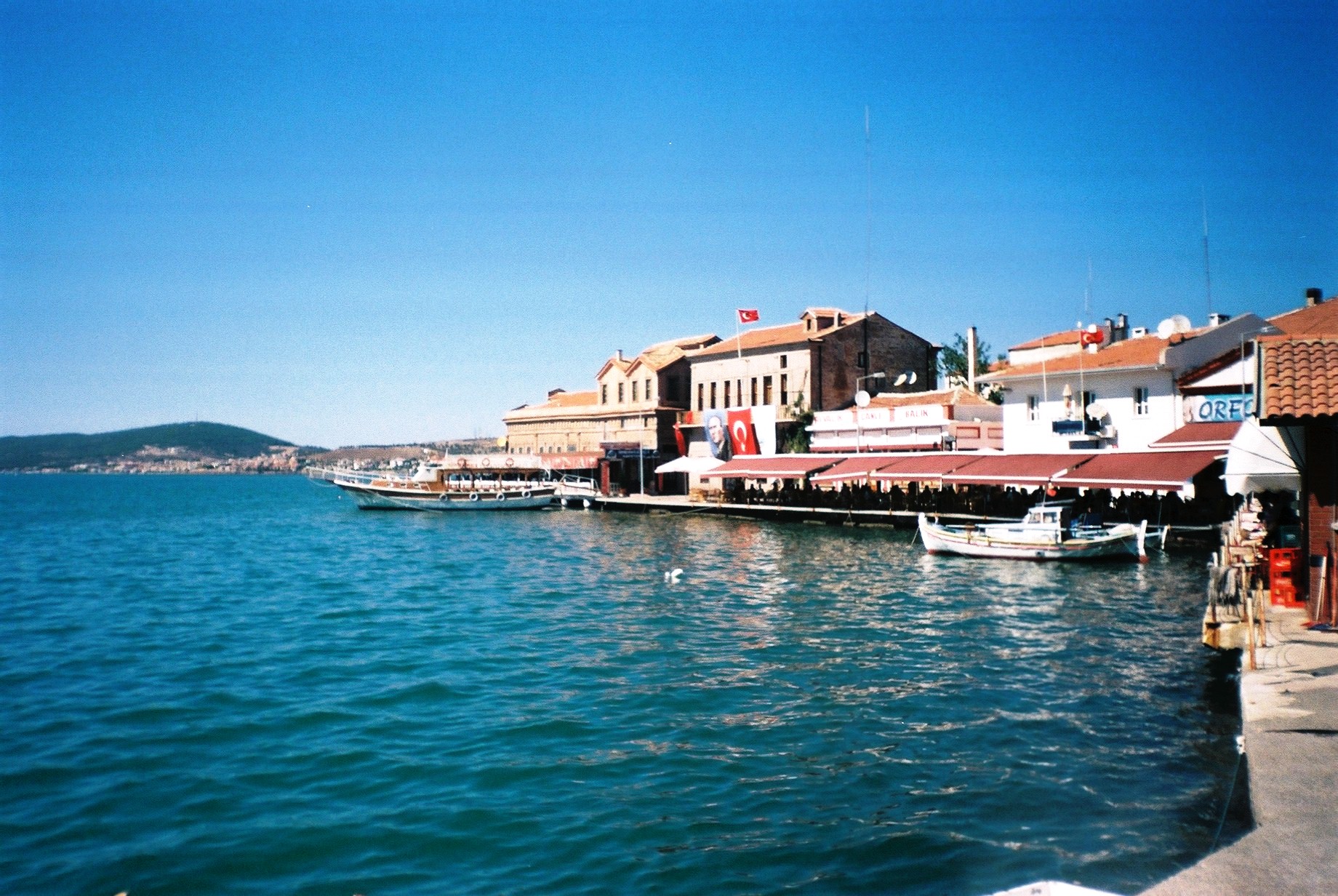
Historic houses, jetties and boats along the Ayvalık waterfront, 2007
AYVALIK WATERFRONT / SEPTEMBER 2007Photograph: Radosław Botev
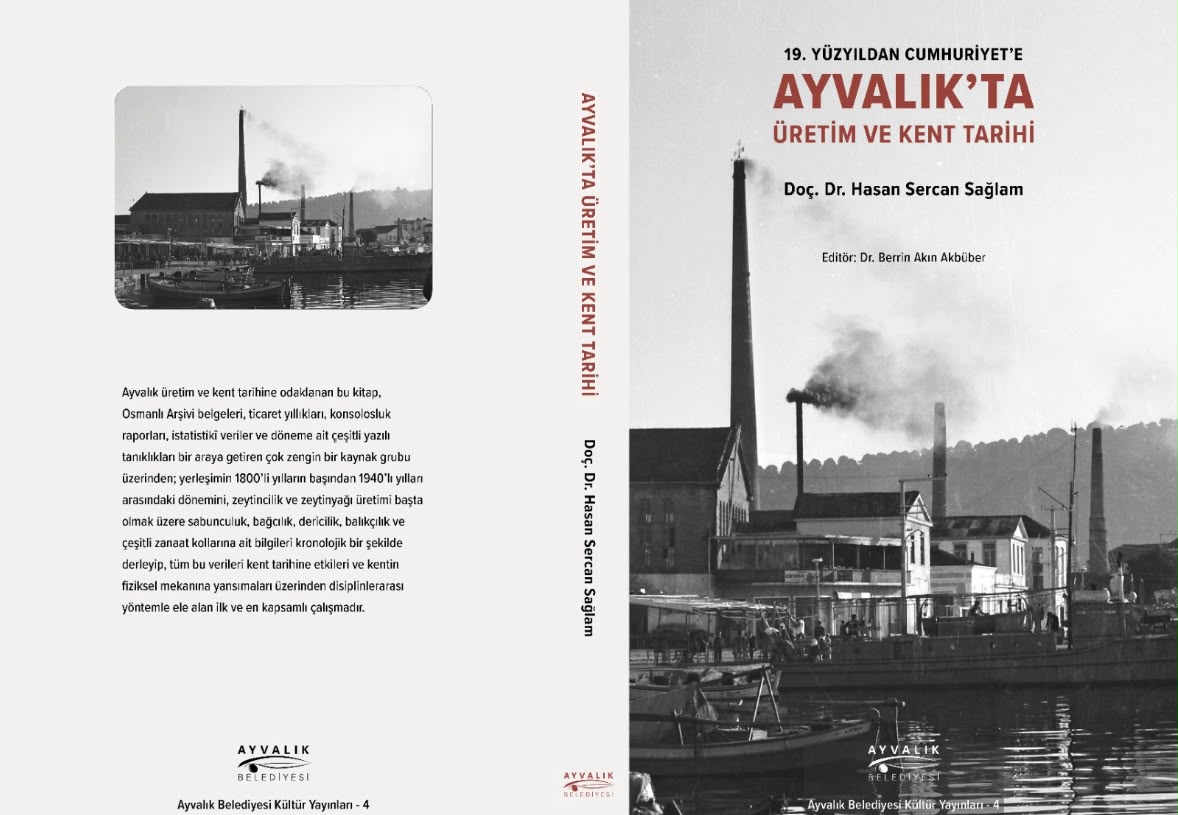
Front cover of Hasan Sercan Sağlam’s 19. Yüzyıldan Cumhuriyet’e Ayvalık’ta Üretim ve Kent Tarihi
AYVALIK MUNICIPALITY CULTURAL PUBLICATIONS / 4

READING CORNER / JULY 2026

19. Yüzyıldan Cumhuriyet’e
Ayvalık’ta Üretim ve Kent Tarihi

Production and Urban History in Ayvalık, from the 19th Century to the Republic.

What working life gave rise to Ayvalık’s waterfront chimneys, old olive oil mills and narrow streets? Hasan Sercan Sağlam’s study explores the town from the early 1800s to the 1940s through archival documents.

Olive oil, soap-making, viticulture, leatherwork and fishing… The book traces how these industries shaped the town. It invites us to reconsider the buildings we pass today through the work they once housed.

AUTHORAssoc. Prof. Dr. Hasan Sercan Sağlam
EDITORDr. Berrin Akın Akbüber
PUBLISHER / FIRST EDITIONAyvalık Municipality / July 2026
ISBN978-605-73884-6-9

“Explore the book” opens the sample pages shared by the author.
Cover photograph: Önder Aksoy · Cover design: Turgut Baygın.

HISTORY, CULTURE, LIFE

Three paths
into Ayvalık’s past.

A waterfront
shaped by work

The growth of industry in the 19th century is still visible along Ayvalık’s waterfront. Olive oil mills, soap factories, warehouses and jetties formed a single production chain. Olives from nearby groves were processed in town and shipped to other shores.

The town’s heritage extends beyond any single building. The connections between factory, street and waterfront tell the story of how Ayvalık grew.

Which street might the trail of an old chimney lead us to?

Source: Ayvalık Site Management · Industry

Memories carried
across the sea

The 1923 population exchange profoundly changed Ayvalık’s social life. The experiences of people who settled here from Lesbos and Crete became part of the town’s history in the Republican period.

To understand this past, we need personal accounts as well as dates. Asking where a family photograph was taken or which journey brought an object here connects the town’s history to people’s lives.

Which family story would you like to pass on to the next generation?

Source: Ayvalık Site Management · Republican Period

A town that creates
and tells its stories

Literature, painting and crafts have a long history in Ayvalık. Writers born here, such as Fotis Kontoglou and İlias Venezis, and visiting painters such as Fikret Muallâ and Orhan Peker recall different periods in that cultural life.

Exploring an artist’s connection to the town offers a fresh view of everyday life. The site of an old workshop, the subject of a painting or a street mentioned in a book can begin a new line of research.

Where does the Ayvalık in a painting meet the town we see today?

Source: Ayvalık Site Management · Art/Crafts

There is a place
for you in this story.

A document, a memory, a question… Share what you know about Ayvalık.

Contact AYEV